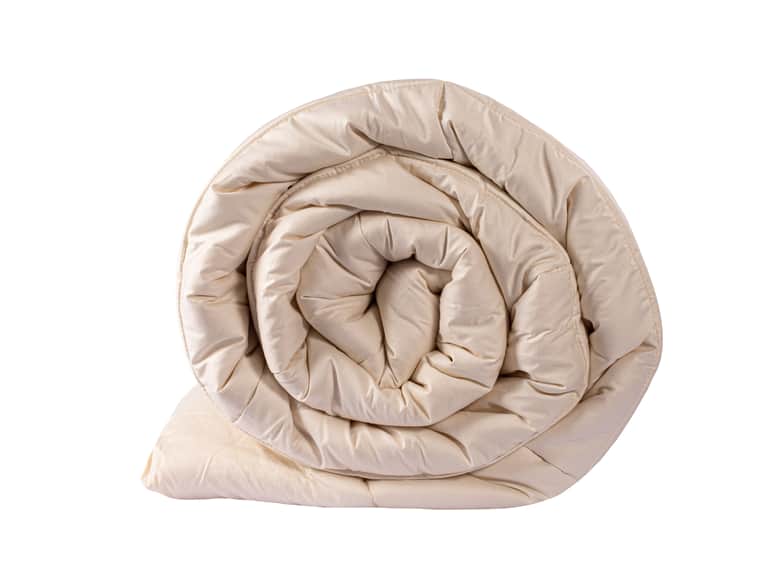
Comforters are essential bedding components that provide warmth, insulation, and a cohesive aesthetic for a sleeping environment. They vary in fill material, weight, and construction, enabling customization for seasonal needs and personal preferences. Understanding the differences between synthetic, natural, and luxury fills helps in selecting a comforter that maintains comfort without compromising breathability and durability.
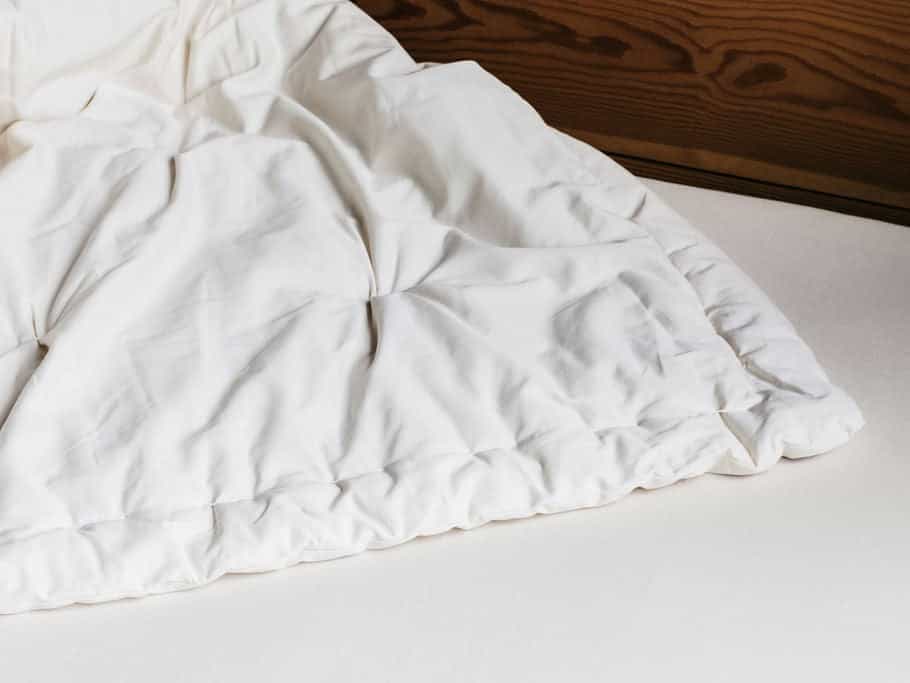
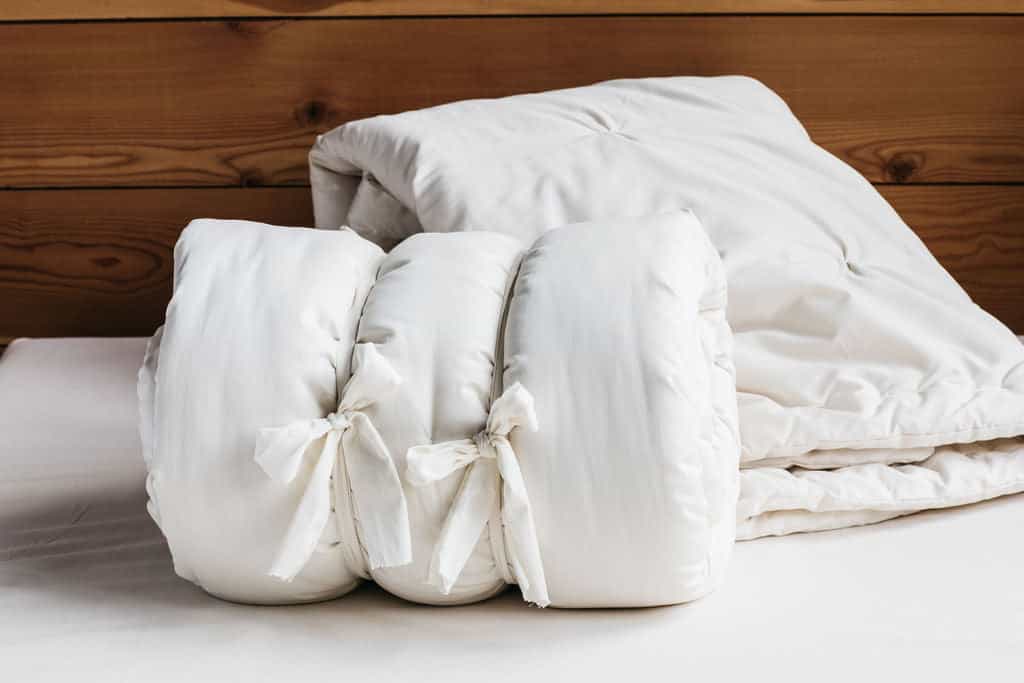
In natural fiber options, merino wool offers temperature regulation, moisture management, and softness that remains comfortable across varying climates. A product like the Sleep and Beyond MyMerino Wool Comforter Light demonstrates how lighter weight wool fills can deliver warmth without bulk, promoting a balanced sleep experience with reduced overheating and enhanced airflow.
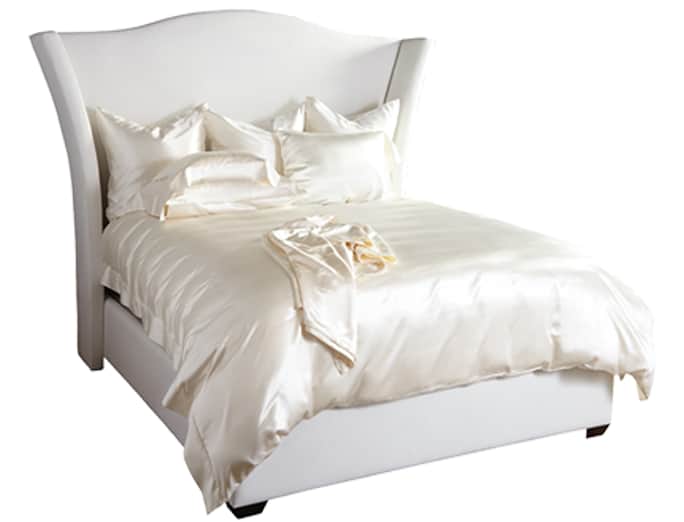
Silk-filled comforters, such as the Savoy Silk Comforter with Silk Fiber Fill, provide luxurious insulation with a naturally hypoallergenic profile. Silk fibers contribute lightweight warmth, smooth feel, and resilience against clumping, making them suitable for those seeking a breathable, moisture-wicking option that adapts to body temperature.
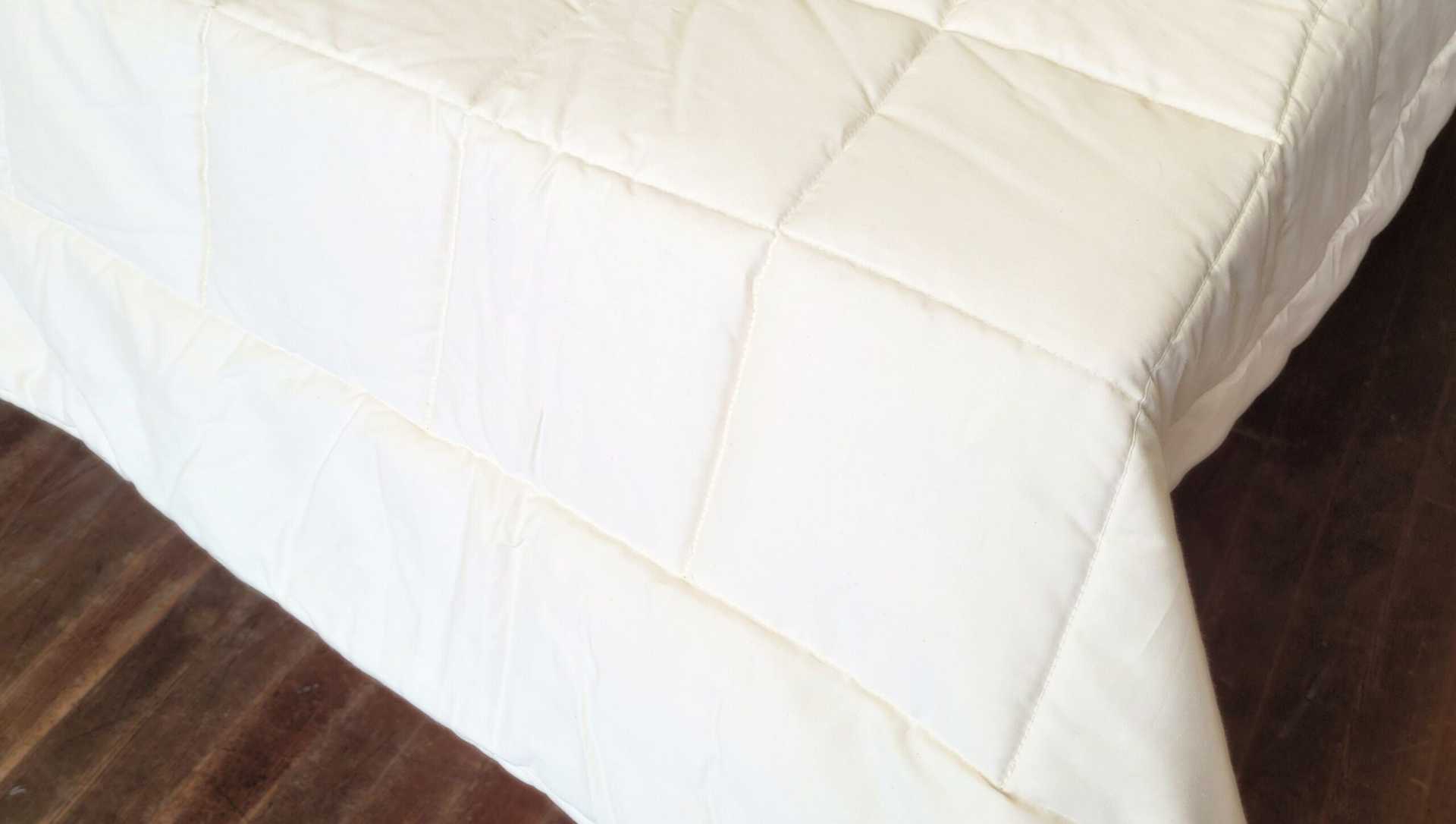
Considerations for selecting a comforter include fill power, loft, shell material, and construction techniques such as baffle-box or sewn-through designs. These factors influence warmth rating, structure, and the ability to maintain even distribution of fill. Proper care, including cleaning guidelines and rotation practices, helps preserve loft and insulation over time.
For bedding systems aiming to support varied uses—daily comfort, nursery needs, or premium sleep environments—insulated comforters paired with appropriate pillow and sheet choices enhance overall sleep quality. Keywords such as bedding, pillows, sheets, latex, and nursery reflect related components that contribute to a cohesive, comfortable, and healthy sleep setting.
 Bedding