Material Spotlight: Silk vs. Cotton in Luxury Bedding
A comparative exploration of foundational fabrics that shape sleep, comfort, and long-term wear in high-end beds. From tactile richness to care cycles, this piece translates technical nuance into practical guidance for discerning readers.
Silk and cotton stand as two of the most celebrated bedding fabrics in luxury interiors. Each fiber carries a distinct story about feel, temperature, and longevity. This comparison examines how these fibers perform in everyday sleep environments, ranging from moisture management to softness that endures. Drawing on real-world observations from respected brands and luxe bedding lines, we illuminate when silk takes the lead and when cotton offers a more practical, equally luxurious path.
As readers consider upgrades to sleep surfaces, the decision often hinges on three core questions: What does the fabric feel like against the skin and hair? How does it regulate temperature across seasons? And what does care look like over the life of the product? Below, we unpack these questions through the lenses of comfort, temperature regulation, allergy considerations, and care longevity.
1) Comfort and Feel: Tactile Qualities, Drape, and Loft
Silk and cotton offer markedly different tactile experiences, which translates into how a bed feels upon first contact and over the hours of a night. Silk, particularly Mulberry silk used in high-end pillowcases, duvet covers, and fitted sheets, provides an inherently smooth surface with a low friction against skin and hair. This can translate into less static and a perception of silk’s cooling or warming under a given climate—though the exact sensation depends on momme weight, weave, and the surrounding textiles in the bed ensemble.
Cotton—especially long-staple varieties woven into percale or sateen—delivers a crisp, dependable hand that many readers associate with everyday luxury. The percale weave tends to feel cooler and lighter, with a matte finish and a crisp drape. Sateen, conversely, softens with use and develops a lustrous surface that connotes richness without the sheen that some fear in luxury fabrics. In high-thread-count cottons from brands like Coyuchi or Luxor collections, the emphasis is often on a plush, enveloping feel that still maintains a breathable surface.
In practical terms, silk excels where a whisper-light touch and a satin-like drape are valued. Cotton shines when durability, ease of care, and a familiar, breathable texture matter most. For readers who want a single, definitive verdict: silk serves as a premium, skin- and hair-conscious choice for a sleep surface that embraces temperature regulation naturally, while cotton offers a versatile, robust foundation that adapts across climates and routines.
2) Temperature Regulation and Allergy Considerations
Temperature regulation sits at the center of the luxury bedding conversation. Silk’s natural properties—hygroscopic moisture management, a structure that helps to balance surface temperature, and a smooth contact surface—contribute to an environment that feels neither clammy nor overly warm. When paired with silk pillowcases and duvet covers, silk can create a sleeping surface that adapts to body heat, naturally balancing warmth in cooler months with cooling comfort when indoor environments rise in temperature.
Cotton, particularly when sourced as long-staple, often emphasizes breathability and airflow through its natural fiber matrix. Percale weaves emphasize a cool, crisp feel that is widely perceived as refreshing in warmer climates. Sateen, with a subtle warp-and-weft interplay, can feel warmer to the touch, which some sleepers interpret as a cocooning warmth appropriate for winter or cooler rooms. For allergy-conscious readers, silk’s surface can be less hospitable to dust mites due to its slick, low-friction surface; cotton’s allergen profile depends more on weave, fiber treatment, and finishing processes. Certifications such as GOTS for organic cotton and OEKO-TEX standards for silk-infused fabrics provide additional assurance for sensitivity-prone sleepers.
Consider seasonal living patterns when choosing between these fabrics. Silk often caters to a refined, year-round comfort that remains breathable without relying solely on air conditioning or fans. Cotton’s versatility makes it a reliable default for many interiors, especially when paired with layered bedding that can be adjusted for temperature shifts across spring, summer, autumn, and winter.
3) Care and Longevity: Cleaning Rituals and Lifespans
Care requirements shape a bedding investment as much as feel. Silk, while a pinnacle of luxury, often calls for delicate handling: machine washing in gentle cycles at specific temperatures, mild detergents, and air drying to preserve sheen and strength. Some silk products can tolerate careful machine washing, but the general guidance is to minimize harsh exposure and heat. The benefit is a surface that remains smooth and luminous with time, provided care instructions are followed and the fabric is protected from abrasion and heavy friction.
Cotton, especially organic cotton with certified finishes, tends to be more forgiving of home washing. Many cotton sets are designed for machine washing with standard cycles, and longevity comes from fiber integrity and weave quality. A high-quality cotton sheet set, grid-weave TENCEL lyocell blends, or percale constructions can maintain color fastness and structural integrity through many washes and seasons. The trade-off in longevity is that cotton, while durable, can experience a slight breakdown in feel with repeated high-heat drying or aggressive washing; however, modern finishing technologies mitigate much of this risk.
From a lifecycle perspective, silk speaks to a luxury that rewards meticulous care with a glossy, smooth hand that resists pilling and maintains tactile smoothness. Cotton rewards consistent laundering protocols and careful fabric protection to preserve the crisp, fresh face readers value in premium bedding. The right routine depends on the specific product’s weave, momme weight (for silk), thread count (for cotton), and the care guidance from the brand—such as Savoy Silk, Ashdown Silk, Cloud Soft Organic Sateen sheets, or Luxor cotton sets.
4) Real-World Brand Context: What the Market Tells Us
Market-leading bedding brands offer a spectrum of silk and cotton offerings that illustrate the practical implications of fabric choice. Silk lines—such as Ashdown Silk pillowcases and duvet covers—emphasize temperature regulation, a skin-friendly texture, and a low-friction surface designed to minimize hair breakage and skin irritation. Cotton lines—whether in sateen finishes with a 300-thread-count + rating or in crisp percale constructions—highlight durability, color retention, and a broader range of price access without sacrificing luxury perception.
Editorially, the silk-versus-cotton question becomes a lens into how readers curate a night-ready sleep environment. Silk surfaces invite a quieter, more intimate sleep ritual, often paired with other luxurious textiles such as velvet accents, silk-blend linens, or high-millow-weight pillowcases. Cotton sets offer a versatile canvas for layering: a crisp sheet foundation, a plush duvet, and tactile throws that build depth without overshadowing the core fabrics.
In this context, a thoughtful approach to material choice is not about selecting a single hero fabric but about designing a sleep ecosystem. The goal is a balanced layering—silk for certain components that benefit from glide and temperature balance, cotton for others that demand durability and broad care compatibility. The result is a bedroom that feels cohesive, modern, and sincerely luxurious without requiring extreme upkeep.
5) Practical Recommendations for Sleepers
If you prize a skin- and hair-friendly surface and have a climate where temperature swings are common, silk components such as Ashdown Silk Pillowcases or Silk Fitted Sheets can offer a refined baseline. For sleepers with sensitive skin or concerns about maintenance, a high-quality cotton sateen sheet set—like those finished with miDori bioSoft—delivers a reliable, soft-to-the-touch surface that holds color well and launders easily.
For those seeking a layered approach, consider a blended strategy: silk for pillowcases and a silk duvet cover to maximize comfort against the skin, paired with cotton sheets that provide the foundational durability and ease of washing. Layering can be further enhanced with a silk or cotton throw, creating a textured aesthetic that elevates the bedroom’s ambiance while aligning with practical care routines.
In short, the choice between silk and cotton is rarely binary. The most satisfying luxury bedding configurations marry the best traits of both fabrics, with careful attention to weave, momme weight, thread count, and brand-specific care guidelines. The result is a sleep environment that feels both timeless and responsive to the rhythms of daily life.
6) Brand-Linked Insights: What You’ll Find in This Space
This article sits within a broader conversation about luxury bedding that blends editorial insight with product specificity. Readers will encounter thoughtful explorations of fabric properties, care technology, and how material science informs room aesthetics. The content also aligns with practical shopping considerations, translating high design into actionable decisions for readers who seek to understand why a silk pillowcase or a cotton sateen set feels special beyond the price tag.
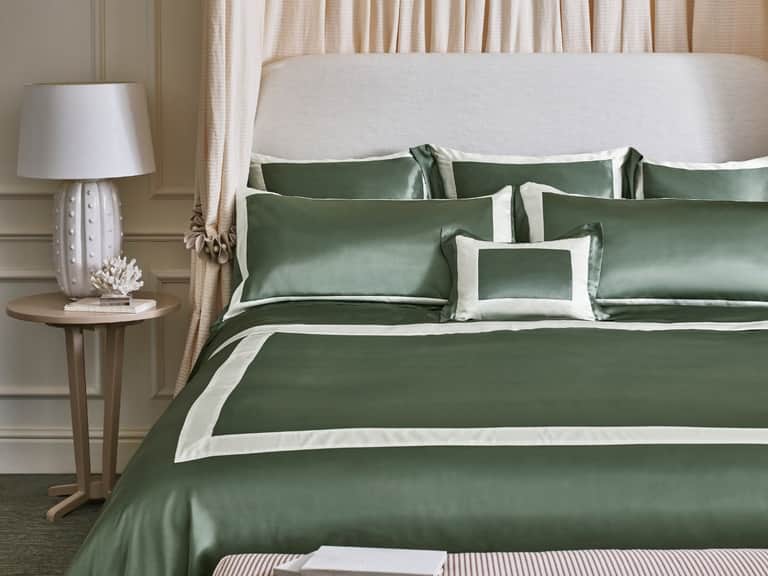
To illustrate the tangible possibilities, consider real-world products that exemplify the conversation. For instance, Ashdown Oxford Silk Pillowcase demonstrates the premium feel and care considerations of silk. The Ashdown Silk Fitted Sheet, with its silk weight and pocket depth, showcases how materials are engineered for practical compatibility with modern mattresses. In parallel, cotton-based sheet sets—like Cloud Soft Organic Sateen Sheet Set—demonstrate durable performance and easy maintenance that many households value in everyday luxury.
7) The Bottom Line: Crafting a Luxe yet Manageable Sleep Environment
Luxury bedding transcends price. It rests on a disciplined alignment of texture, temperature, care, and life in the bedroom. Silk and cotton each offer distinct pathways to comfort, and the informed sleeper can build a sleep sanctuary that leverages the strengths of both—softness and breathability, temperature balance and durability, elegance and practicality.
As you consider your next refresh, assess your climate, your allergy considerations, and your willingness to follow care instructions. If you value tactile polish and year-round warmth balance, silk-based components may form the spine of your system. If you prize a forgiving, robust, and easily maintained foundation, cotton-based layers will likely anchor your bed without compromise.
Product Spotlight
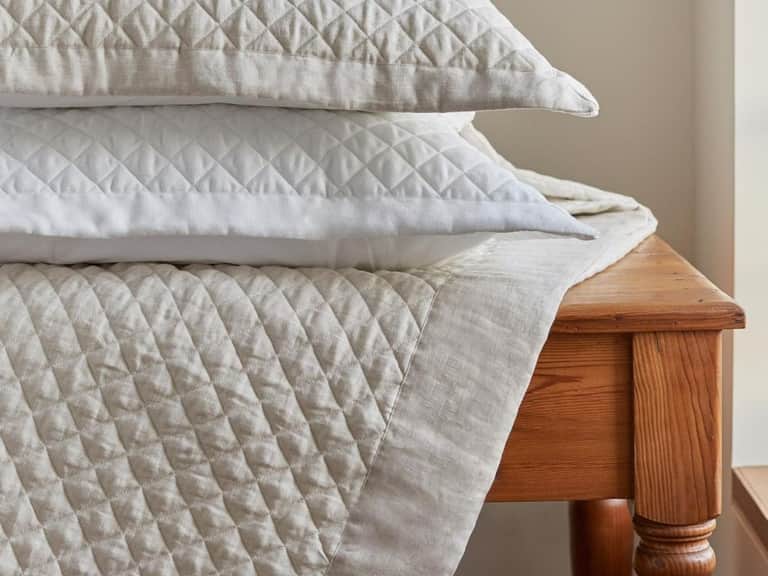
Within this editorial framework, select products from the sponsor-friendly, luxe bedding ecosystem provide tangible examples of the fabrics discussed. The Bovi Hudson Linen Quilted Shams, crafted from 100% European linen with a diamond quilted pattern and cotton percale backing, exemplify how linen contributes texture and a relaxed, refined mood to the bed ensemble. The shams are produced in Portugal and offered in multiple sizes, illustrating how European textile craftsmanship translates into modern bedroom aesthetics. For a silk-focused touch, the Ashdown Oxford Silk Pillowcase presents a discreet, elegant detail that supports skin and hair comfort in a breathable, minimized-friction surface. These items anchor the discussion in real-world materials, weaving together editorial insight with product reality.
If you’re curious about the specific product details and where to find them, you can explore the linked product pages for contextual notes about materials, care, and construction that reinforce the themes of comfort, durability, and luxurious sensibility discussed above.
Key Takeaways
- Silk offers exceptional surface feel, natural temperature regulation, and a luxurious glide that benefits skin and hair, with care requiring gentle handling to preserve integrity.
- Cotton delivers robust comfort, easy maintenance, and broad adaptability across climates, with weave choices (percale vs. sateen) shaping the final hand and look.
- Temperature management and allergy considerations should guide fabric selection, with certifications (GOTS, OEKO-TEX) providing reassurance for sensitive sleepers.
- A layered approach—combining silk and cotton in strategic components—can yield a sleep environment that captures the best of both fabrics without sacrificing practicality.