Bedding · Fabric Guide
Crisp or Silky? Understanding Bovi’s Italian Sheet Finishes
The feel of a sheet is shaped by more than its label—or its thread count. Bovi’s Italian collections offer a useful way to understand the difference between crisp cotton percale and smooth cotton sateen, and to choose the finish that suits your sleep habits and personal sense of comfort.
A bed can look serene in a photograph and feel entirely different once you climb into it. The distinction often begins with the fabric against your skin. Some sleepers want the cool, lightly textured touch of a freshly made hotel bed. Others prefer the fluid, soft surface that seems to settle around the body. In cotton bedding, those opposing impressions are commonly associated with percale and sateen.
Bovi’s Italian sheet collections make the comparison particularly clear. The Herron Sheet Set is made from 300-thread-count cotton sateen, while the Simone Sheet Set uses a 500-thread-count cotton sateen. The collections show how a refined sheet can combine a smooth hand with considered details such as embroidery and a shaped flange. They also underline a broader point: “luxury” is not a single sensation, and a higher thread count does not automatically tell you which fabric will feel best.
Understanding the vocabulary helps. Percale and sateen refer primarily to different ways of interlacing yarns. Fiber quality, yarn preparation, finishing, and care also matter. Read together, those details give a more useful picture of a sheet than one specification alone.
The difference begins at the weave
A weave is the pattern in which lengthwise yarns, called the warp, cross widthwise yarns, called the weft. The basic plain weave alternates those yarns in a simple, regular pattern. Percale is a closely woven plain-weave cotton fabric. That construction gives it the familiar crisp, even surface and a matte appearance.
Sateen uses a different arrangement, typically allowing yarns to float over several other yarns before passing beneath one. On cotton bedding, this construction creates a smoother surface and often a soft, subtle sheen. The longer floats reduce the number of visible interruptions across the face of the fabric, which contributes to sateen’s fluid drape and silky impression.
Neither weave is inherently superior. They are different approaches to a useful textile, with different tactile and visual results. Percale tends to feel more structured and crisp; sateen tends to feel smoother and more supple. Individual fabrics vary, however. A soft-finished percale may feel gentler than a crisp, newly laundered one, while the weight and finish of a sateen can range from light and fluid to substantial and enveloping.
What “crisp” means in percale
Percale’s appeal is often described in terms of freshness. Its plain weave creates a balanced surface without the pronounced sheen associated with sateen. The fabric usually has a clean, tailored look, and its hand may feel cool and slightly dry rather than slick. For some people, that combination recalls a well-made hotel bed: orderly, breathable, and pleasantly composed.
The word “crisp” does not have to mean stiff or rough. It describes a character, not a defect. A percale sheet can soften through laundering and use while retaining its relatively matte appearance and structured feel. How it changes depends on the cotton, yarn, weave density, finishing, and washing routine. A first impression straight from the package may not be the final one after several wash-and-dry cycles.
Because percale is often associated with an airy feel, it can appeal to people who sleep warm or prefer a lighter touch. That is a preference, not a guarantee of temperature performance. A sleeper’s comfort also depends on the room, mattress, duvet, sleepwear, and personal physiology. Fabric descriptions can guide a choice, but they cannot replace experience in a particular bedroom.
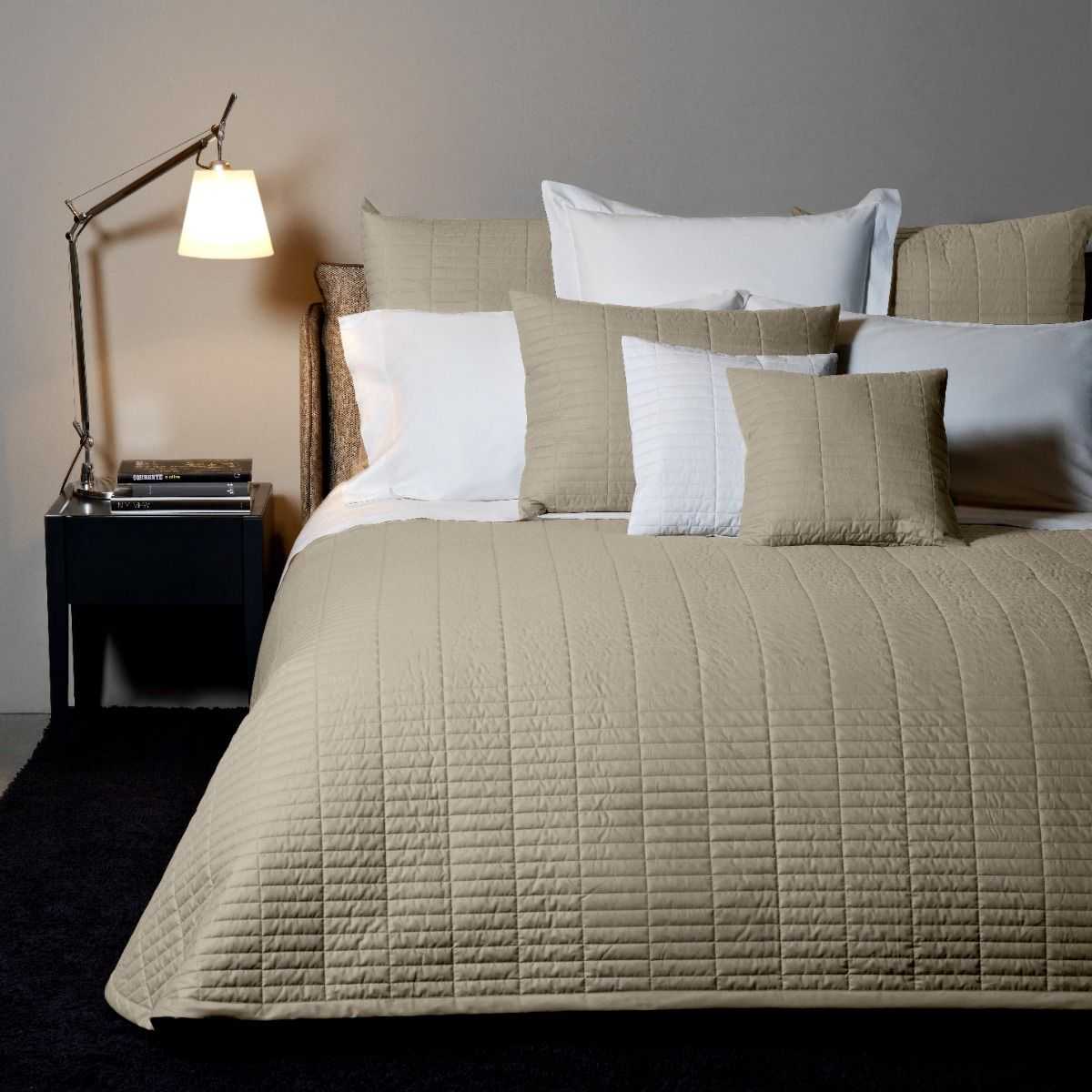
Visually, percale’s understated finish can support a pared-back bed. It pairs easily with textured quilts, woven blankets, or embroidered details because it does not compete with them through shine. The result can feel relaxed and crisp at once: a simple foundation with enough character to keep the bed from looking flat.
The appeal of sateen’s smooth drape
Sateen makes a different first impression. Its face feels smooth, and its drape is generally more fluid than percale’s. A gentle sheen catches light across the bed, giving the surface a dressed, polished quality without requiring a bold pattern or elaborate color. For sleepers who like a soft, enveloping touch, sateen can feel immediately inviting.
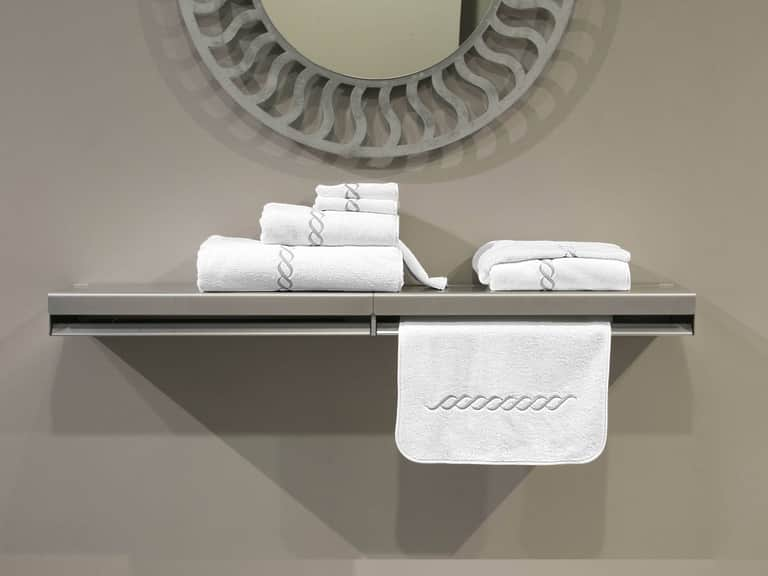
Bovi’s sateen collections illustrate how this finish can be both tactile and decorative. The Herron set pairs 300-thread-count cotton sateen with herringbone embroidery in white or silver. The Simone set features 500-thread-count cotton sateen with rope embroidery and a contrast flange. Those details frame the fabric rather than replace its essential quality: a smooth, softly luminous surface.
Sateen is sometimes described as warmer than percale, partly because its denser, smoother feel can seem more substantial against the skin. But “warm” is not a fixed outcome. Room temperature, the weight of the bedding above it, and the individual sleeper all matter. If you tend to wake feeling hot, the full sleep setup is worth considering—not simply the weave name on the label.
The more lustrous face of sateen can also make colors and decorative stitching appear especially pronounced. In a restrained white bed, a fine embroidered line may become the focal point. In a layered scheme, the soft sheen can create contrast against matte linen, cotton percale, or a quilted coverlet. Its visual presence is subtle, but it changes the atmosphere.
Thread count: one clue, not the verdict
Thread count is the number of threads counted in a square inch of fabric, though counting conventions and yarn construction can complicate comparisons. It is useful as one piece of product information, but it is not a reliable shorthand for softness, durability, or overall quality on its own.
The yarn matters. Longer-staple cotton fibers can be spun into smoother, more consistent yarns, and yarn quality influences how a finished fabric feels and wears. Weave matters too: percale and sateen can produce noticeably different surfaces even when their stated counts are similar. Finishing and laundering further change the hand. A high number cannot tell you whether you will enjoy a cool, crisp surface or a smooth, draping one.
Bovi’s Herron and Simone sets offer a useful case in point: both are cotton sateen, but they have different stated thread counts and distinct decorative treatments. That information may help set expectations, yet it does not make one universally preferable. A shopper who values a particular feel should give the weave and fabric description at least as much attention as the number.
When comparing Italian cotton sheets, read the full specification where available. Look for fiber composition, weave, thread count, country of manufacture, care instructions, and what the set includes. Those details help distinguish the textile itself from the styling around it—and give you a clearer basis for comparison across collections.
How finishing shapes the hand
A finished sheet is the result of more than loom work. After weaving, fabric may undergo treatments that influence softness, smoothness, color, and how it behaves in use. The specifics vary by manufacturer and product. Unless a brand describes a particular process, it is best not to assume exactly how a fabric was softened or treated.
Finishing helps explain why two fabrics with the same fiber and weave can feel different. One may have a more relaxed hand; another may feel crisper or more polished. It also helps explain why the first touch is only part of the story. Some cotton bedding softens with washing, while other fabrics are designed to maintain a smoother, more tailored character. Following the care label helps preserve the finish the maker intended.
Construction details contribute to the overall experience, too. A sheet set’s embroidery, flange, hems, and stitching affect its look and the way it sits on the bed. They may signal a particular design language—quiet and contemporary, or more traditional—but they do not change the fundamental distinction between percale and sateen. Think of them as the finishing notes around the central fabric choice.
A practical comparison before you choose
Choosing between percale and sateen becomes easier when the decision is framed around how you sleep and what you enjoy touching every night. Rather than asking which finish is objectively better, ask which one fits your preferences and routine.
- Choose percale if you prefer: a matte appearance, a more structured hand, and a crisp, airy impression.
- Consider sateen if you prefer: a smooth surface, a fluid drape, and a subtle sheen.
- Think about temperature: if you sleep warm, consider the sheet together with your duvet, mattress, room conditions, and sleepwear.
- Think about styling: percale’s quiet finish works well as a crisp foundation; sateen can add softness and gentle luminosity.
- Check care requirements: laundering, drying, and ironing guidance can affect how the fabric looks and feels over time.
- Check the complete specification: compare fiber, weave, thread count, construction, and set contents rather than relying on one label.
If you can handle samples, focus on the surface and drape rather than trying to guess a quality score by touch. Run your hand across the fabric, lift it to notice its weight, and see how it falls when loosely gathered. Consider whether you enjoy the feel directly against your skin. A small swatch cannot reproduce a full night’s sleep, but it can reveal whether the basic character is promising.
If samples are not available, product descriptions can still narrow the field. Terms such as “crisp,” “matte,” and “percale” suggest a different experience from “smooth,” “luminous,” and “sateen.” Reviews may add context, but remember that texture is personal: the sensation one sleeper calls luxurious may be too slick or too crisp for another.
Care is part of the fabric story
A beautiful sheet has to work in everyday life. Care instructions are not a footnote; they are part of the decision. Check the label before washing, especially when a set includes embroidery or other decorative details. Using the recommended water temperature, cycle, and detergent can help protect both the cotton and its finish.
Avoid assuming that all cotton sheets tolerate the same routine. Product guidance can differ. Some items call for a delicate cycle and low-heat drying, while others may have different recommendations. Overly high heat or harsh treatment can contribute to wear, fading, or a rougher hand over time. Promptly removing sheets from the dryer may also help reduce creasing, depending on the fabric and finish.
Percale’s relaxed softness may develop gradually through use and washing. Sateen’s smooth face benefits from gentle handling that limits abrasion. Neither finish requires elaborate rituals by default, but both reward care aligned with the maker’s instructions. A thoughtful routine helps the sheets remain comfortable and presentable across repeated nights and laundry days.
The best finish is the one you notice least
Luxury bedding is often discussed through materials, origin, and numbers. Those details matter, but the ultimate test is quieter: whether the sheet supports the kind of rest you want. The right fabric should feel natural in your routine, complement the climate and layers of your bed, and make you look forward to turning in rather than worrying about a specification.
Bovi’s Italian sheets offer a useful reminder that refinement can take more than one form. Percale gives the bed a crisp, understated character; sateen brings a smoother touch and a soft sheen. Within sateen, details such as the Herron’s herringbone embroidery or Simone’s rope embroidery can further shape the mood, but the foundation remains the cotton and its construction.
So begin with the sensation you want. If “fresh and crisp” is your ideal, explore percale. If “smooth and gently draped” sounds more inviting, consider sateen. Then check fiber quality, construction, care, and the complete set details. That approach turns the choice from a contest of numbers into a practical decision about the fabric you will live with, night after night.